
Paw Licking in Dogs: Understanding the Causes and How to Help
Are you a dog owner who has noticed your furry friend obsessively licking their paws? If so, you’re not alone. Dog Paw licking is a common behavior that many pet owners find puzzling and worrisome. In this article, we will unravel the mystery behind paw licking, exploring its causes, remedies, and prevention strategies.
There are several reasons why dogs lick their paws, ranging from allergies and skin irritations to boredom or anxiety. Understanding the root cause is essential in providing appropriate treatment and relief for your beloved canine companion.
We will dive into the various factors that may contribute to paw licking, including environmental triggers, dietary issues, and underlying medical conditions. Moreover, we will discuss effective remedies and prevention methods to help you alleviate your dog’s discomfort and promote their overall well-being.
Whether you’re a new dog owner or have been dealing with paw licking for a while, this article will provide you with valuable insights and practical solutions to help your furry friend find relief. So, let’s embark on the journey of unraveling the mystery behind paw licking in dogs.
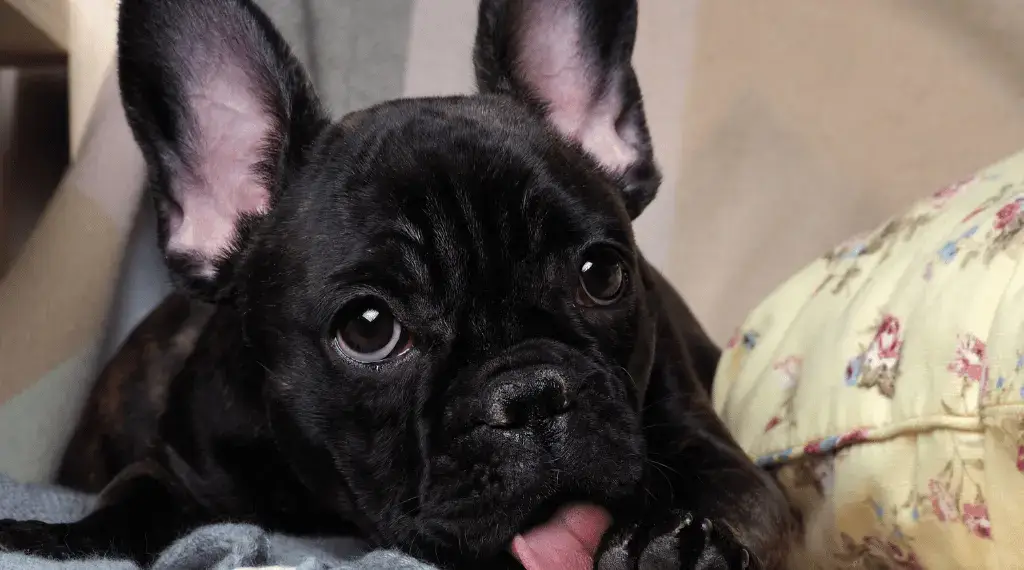
- Paw Licking in Dogs: Understanding the Causes and How to Help
- Common Reasons for Dog Paw Licking
- Medical conditions that may cause paw licking
- Signs and Symptoms of Paw Licking in Dogs
- Diagnosis and treatment of dog paw licking:
- Preventing excessive paw licking in dogs
- When to seek veterinary help for paw licking
- Home remedies for soothing irritated paws
- Tips for maintaining healthy paws in dogs
- Conclusion: Taking care of your dog's paws
Common Reasons for Dog Paw Licking
Allergies, pain or discomfort, behavioral issues, and skin conditions are common reasons why dogs may lick their paws excessively.
- Allergies can be caused by food, pollen, or other environmental factors
- Pain or discomfort in the paws or elsewhere in the body can lead to licking as a way to alleviate the discomfort.
- Behavioral issues such as anxiety or boredom can also manifest as excessive paw licking.
- Skin conditions like dermatitis or fungal infections can cause itching and irritation, prompting dogs to lick their paws.
Medical conditions that may cause paw licking
In some cases, paw licking in dogs can be a symptom of an underlying medical condition. One such condition is dermatitis, which refers to inflammation of the skin. Dermatitis can occur as a result of allergies, exposure to irritants, or underlying skin infections. Dogs with dermatitis may experience redness, swelling, and itchiness, leading them to lick their paws in an attempt to alleviate the discomfort.
Fungal or bacterial infections can also cause paw licking. Fungi or bacteria can invade the skin, leading to inflammation and itchiness. Dogs with these infections may lick their paws to relieve the itchiness or to clean the affected area. It’s important to seek veterinary care if you suspect a fungal or bacterial infection, as these conditions often require specific medications for treatment.
Parasites such as fleas or ticks can also cause paw licking in dogs. These parasites can cause intense itching and irritation, prompting the dog to lick their paws to find relief. Regular flea and tick prevention is essential to keep your dog protected from these pesky parasites.
Autoimmune diseases, such as pemphigus or lupus, can also manifest as paw licking in dogs. These conditions occur when the immune system mistakenly attacks the body’s own cells, leading to inflammation and skin lesions. Dogs with autoimmune diseases may experience pain and discomfort, causing them to lick their paws as a response.
Signs and Symptoms of Paw Licking in Dogs
Signs of excessive paw licking include:
- Red or swollen paws.
- Hair loss on the paws.
- Changes in behavior such as restlessness or irritability.
If you notice these signs in your dog, it’s important to address them promptly to prevent further discomfort or complications.
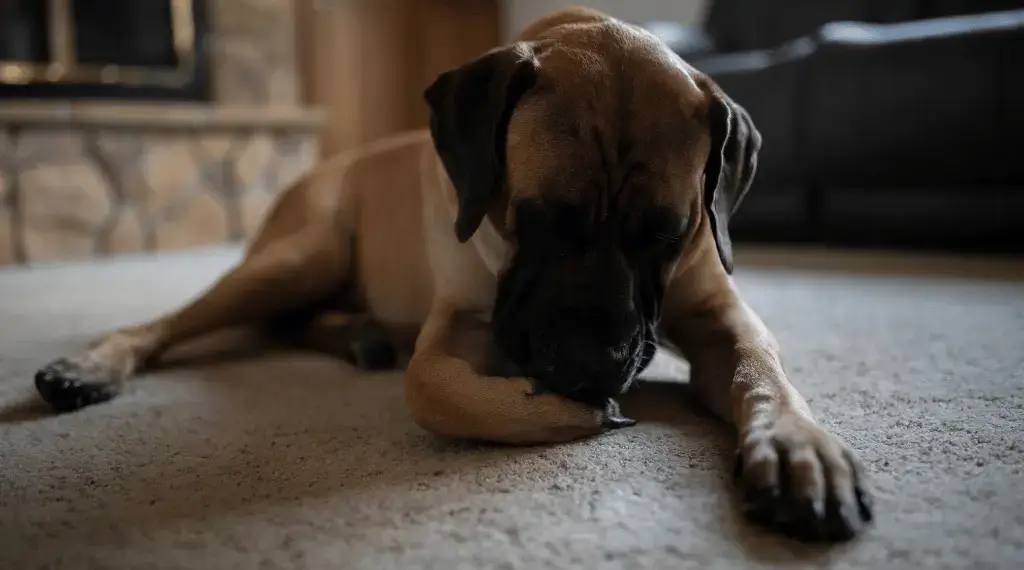
Diagnosis and treatment of dog paw licking:
Diagnosis of the underlying cause of paw licking may require a veterinary examination, including allergy testing or imaging tests. Treatment options may include pain management, behavioral therapy, or addressing any underlying skin conditions. Your veterinarian will be able to recommend the best course of action based on their findings.
Preventing excessive paw licking in dogs
Prevention is key when it comes to excessive paw licking in dogs. By taking proactive measures, you can minimize the likelihood of your dog developing this behavior.
Maintaining a clean and allergen-free environment is essential for dogs prone to allergies. Regularly vacuuming, dusting, and washing your dog’s bedding can help reduce exposure to allergens. If your dog has outdoor allergies, consider wiping their paws with a damp cloth or using pet-friendly wipes after walks to remove potential allergens.
Diet plays a significant role in preventing paw licking caused by food allergies. Consult with your veterinarian to find a suitable hypoallergenic diet for your dog. Elimination diets, which involve gradually introducing novel protein sources to identify food triggers, may be recommended to pinpoint specific allergens.
Regular grooming is essential for dogs prone to skin irritations or infections. Keeping your dog’s coat clean and free from mats can prevent irritants from getting trapped in their fur. Regularly inspecting your dog’s paws for any signs of redness, swelling, or wounds can help detect issues early on.
Maintaining a consistent routine that includes regular exercise and mental stimulation can help prevent boredom-related paw licking. Engage in interactive play sessions, provide puzzle toys or treat-dispensing toys, and consider doggy daycare or playdates to keep your dog mentally and physically active.
When to seek veterinary help for paw licking
While some cases of paw licking can be managed at home, there are instances where veterinary help is necessary. If your dog’s paw licking is accompanied by other concerning symptoms such as excessive scratching, hair loss, open sores, or changes in appetite or behavior, it’s crucial to consult with a veterinarian.
A veterinarian will be able to conduct a thorough examination and determine the underlying cause of your dog’s paw licking. They may recommend further diagnostic tests, such as skin scrapings, blood work, or allergy testing, to accurately diagnose the issue. Prompt veterinary attention can ensure your dog receives the appropriate treatment and prevent any potential complications.
Home remedies for soothing irritated paws
If your dog’s paw licking is due to minor irritations and you’re looking for home remedies to provide relief, several options can help soothe your dog’s paws.
One simple and effective home remedy is to soak your dog’s paws in a mixture of warm water and Epsom salt. The warm water helps to relax the muscles and reduce inflammation, while the Epsom salt can provide additional soothing properties. Ensure the water is not too hot, and gently soak your dog’s paws for about 10 minutes. Pat their paws dry afterward.
Another natural remedy is to apply a small amount of coconut oil or aloe vera gel to your dog’s paws. These substances have moisturizing and soothing properties that can help alleviate dryness, itchiness, and irritation. Make sure to use organic, pet-safe products and avoid any that contain added fragrances or other potentially harmful ingredients.
If your dog’s paws are particularly itchy, you can try making a homemade anti-itch spray. Mix equal parts of apple cider vinegar and water in a spray bottle and gently mist your dog’s paws. Apple cider vinegar has antimicrobial properties and can help relieve itching and soothe the skin. However, it’s important to avoid using this remedy if your dog has open wounds or is experiencing severe irritation, as it may cause stinging.
Tips for maintaining healthy paws in dogs
To ensure your dog’s paws stay healthy and free from excessive licking, consider implementing the following tips:
- Regularly trim your dog’s nails to prevent them from becoming too long and causing discomfort or pain while walking.
- Keep the fur between your dog’s paw pads trimmed to prevent matting and reduce the risk of irritants getting trapped.
- Avoid using harsh chemicals or cleaning products on surfaces your dog frequently comes into contact with, as they can cause skin irritations.
- Provide your dog with a balanced and nutritious diet to support their overall health and strengthen their immune system.
- Use pet-friendly and hypoallergenic cleaning products to minimize the risk of allergens or irritants affecting your dog’s paws.
- Regularly inspect your dog’s paws for any signs of redness, swelling, or wounds, and seek veterinary attention if you notice any abnormalities.
- Keep your dog’s environment clean and free from potential allergens by regularly vacuuming, dusting, and washing their bedding.
- Consider using pet-safe paw balms or moisturizers to keep your dog’s paws hydrated and protected, especially during dry or cold weather.
- Ensure your dog receives regular veterinary check-ups to monitor their overall health and detect any underlying issues early on.
Taking these proactive measures can help prevent paw licking and promote optimal paw health in your furry friend.
Conclusion: Taking care of your dog’s paws
Paw licking in dogs can be a complex issue with various underlying causes. By understanding the root cause of your dog’s paw licking and implementing appropriate remedies and preventative strategies, you can help alleviate their discomfort and promote their overall well-being.
Whether it’s allergies, skin irritations, or underlying medical conditions, consulting with a veterinarian is crucial for an accurate diagnosis and treatment plan. From antihistamines and topical treatments to behavior modifications and environmental management, there are several options available to address paw licking in dogs.
Remember to prioritize your dog’s paw health by maintaining a clean environment, providing a nutritious diet, and engaging in regular grooming. By taking a proactive approach and seeking veterinary care when necessary, you can ensure your furry friend’s paws remain happy, healthy, and free from excessive licking.
Is it normal for dogs to lick their paws?
Occasional paw licking is normal behavior for dogs, but excessive licking can indicate an underlying issue.
Should I be concerned if my dog’s paw licking is accompanied by other symptoms?
Yes, if your dog’s paw licking is accompanied by redness, swelling, or other symptoms, it’s important to consult your veterinarian for proper diagnosis and treatment.
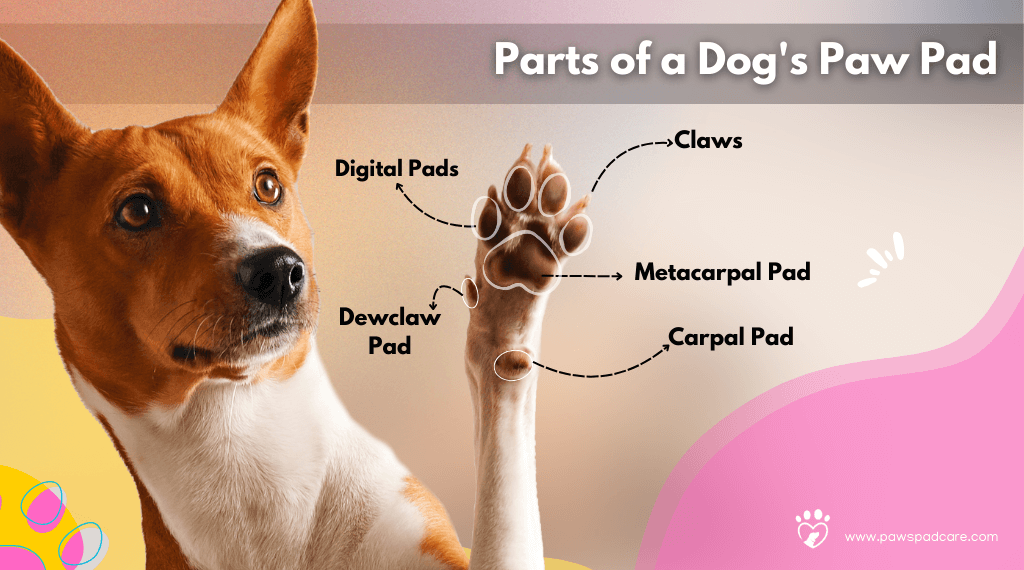
The ABCs of Dog Paw Anatomy: A Simple Guide
The ABCs of Dog Paw Anatomy: A Simple Guide Welcome to a fascinating exploration of…
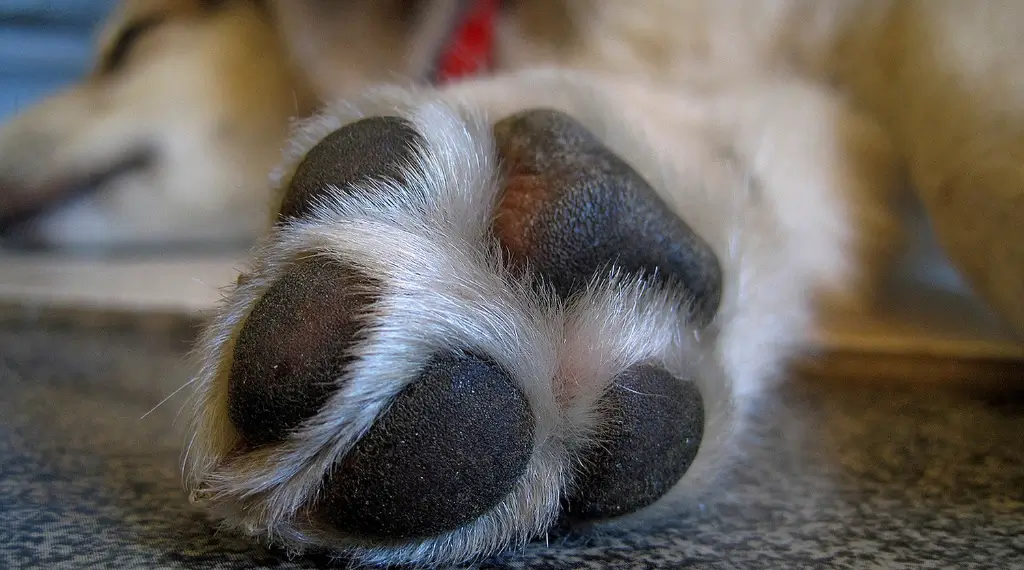
Paw Cleaners for Dogs: Top Products for Happy Paws
Paw Cleaners for Dogs: Top Products for Happy Paws As a dog owner, you know…
Why Do Dogs Paws Smell Like Fritos ? The Surprising Cause
Why Do Dogs Paws Smell Like Fritos? The Surprising Cause Have you ever cuddled up…
Dog Paw Pad Peeling: Causes and Solutions
Dog Paw Pad Peeling: Causes and Solutions What is Dog Paw Pad Peeling? Have you…
Create Lasting Memories with Dog Paw Print Kits
Create Lasting Memories with Dog Paw Print Kits Are you a dog lover looking for…
Dry Dog Paw Pads: Causes, Prevention, and Treatment
Dog Paw Pads Dry: Causes, Prevention, and Treatment Have you noticed your dog’s paw pads…
Pingback: Dry Dog Paw Pads: Causes, Prevention, and Treatment
Pingback: Why Do Dogs Paws Smell Like Fritos ? The Surprising Cause 🐶
Pingback: Hyperkeratosis in Dog Paws: Causes and Care Tips 🐶